
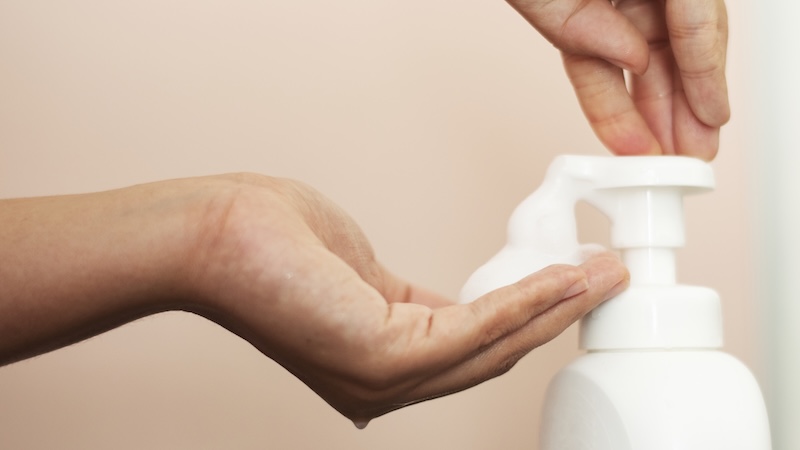
In the past few years, there have been a rise in fire incidents relating to emollient skin care products. These are mostly in the form of creams, but also come as sprays and gel formulas, and they are used by many of us with particularly dry, itchy or scaly skin (i.e. for conditions such as eczema, psoriasis and ichthyosis).
Short answer – no. However, if you use them, they will come into contact with your clothes and bedding very easily. When fabric with dried-on emollient meets a naked flame – for instance in the event of an accident when cooking or smoking – the fire that starts as a result burns at a quicker rate and more intensely, and so is more likely to result in serious injury or death.
What’s more, the risk increases each time these products are applied, as more of it transfers, dries and builds up on the fabric – and some of it remains even after the items are washed.
Emollient creams, gels and sprays are essential for managing dry skin conditions. If your healthcare professional has recommended that you use them, you should continue to do so whilst taking greater care to reduce the risk of fire. The products themselves are not flammable, nor are they when solely on the body – but as they will easily be transferred to your clothing and bedding, as well as any bandages, it’s even more important that you take precautions to prevent accidental fires, such as:
(You can test a battery-powered detector by pressing the button on the surface; it should then beep or chirp. If you hear intermittent beeping or chirping when you are not testing the alarm, this means the battery is low and needs replacing. You can find more information on doing this safely here.)
Between 2010 and 2020, there were more than 50 deaths and series injuries recorded that were linked to the use of these skin products causing accidental fires to spread. Those at highest risk are people over 60, smokers and those with limited mobility – if you fall into this risk group, please be aware of this heightened fire risk and remember to take greater care.
For more information on how you can stay fire-safe in your home, take a look here.


