
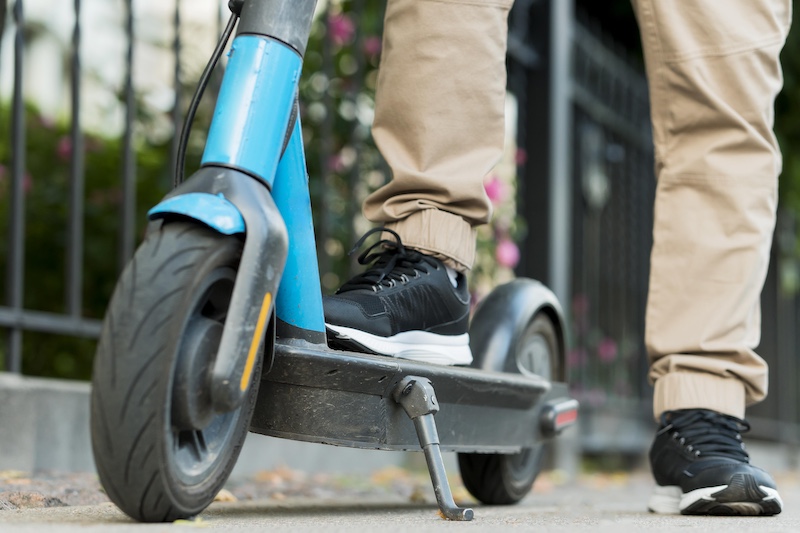
E-bikes and e-scooters have taken the world by storm in recent years! But it’s essential that you understand the risks and how to charge them safely before you use them.
Most e-bikes and e-scooters are powered by lithium-ion batteries, which can be charged at home. Whilst this is convenient, it increases the risk of house fires caused by batteries failing and chargers overheating, amongst other factors.
How can I reduce the risks?
Charging your e-bike or e-scooter safely:
- Follow any instructions given, and always unplug your charger when it has finished charging;
- Don’t leave your e-bike or e-scooter to charge while you are asleep or away from home; ensure you are able to respond to a fire should one occur;
- Always used a charger approved by the manufacturer, and replace this from a reputable seller if you spot any wear and tear;
- Do not overcharge your battery, overload your plug sockets or use unsuitable extension leads (uncoiled extensions are best).
Storing your e-bike or e-scooter safely:
- Do not store batteries or your e-bike/e-scooter near anything flammable;
- Make sure you store your e-bike or e-scooter in a cool place and out of the way of fire escapes, and away from communal areas if you live in a flat;
- Ensure you have a working smoke detector, so you can detect any fires early. If you store your e-bike or e-scooter in a garage or kitchen, heat alarms work better than a smoke detector.
Stop using or charging your battery immediately if you spot these warning signs:
- The battery feels extremely hot to the touch;
- The battery looks swollen or you notice any lumps or leaks;
- The battery makes a hissing or cracking sound;
- A strong or unusual smell is coming from the battery;
- Your battery takes longer to charge than normal or does not fully charge;
- You notice any smoke coming from the battery.
In the event of a fire:
- Get out, stay out and call 999
- Don’t try to put the fire out yourself, as lithium battery fires can develop very quickly, so getting to safety is the most important thing.
Other things to be aware of:
- Make sure you purchase your e-bike or e-scooter (including any conversion kits) from a reputable seller that complies with British or European standards (they will have a CE or UKCA marking), and be wary of online auctions;
- Make sure any separate components are compatible;
- Read and follow any instructions for storing lithium-ion batteries;
- It’s a good idea to register your bike or scooter with the manufacturer to validate any warranties, then they can contact you easily in the event of a recall;
- Batteries can be damaged easily, by being dropped, or by the bike or scooter crashing. Damaged areas can overheat and catch fire without warning, so make sure you check for damage!
- Dispose of batteries safely; they cannot be disposed of in household waste or normal recycling as they pose a fire risk. Check to see if the manufacturer offers a recycling service, or contact your local council.
Find out more
You can watch a short documentary from Electrical Safety First to understand more about the risks and how to stay safe: E-bike Documentary | Electrical Safety First
For more information around staying safe in your home, and what we’re committed to doing as your landlord to ensure your safety:


